The King in Lewis Chess
Lewis chess pieces, also known as Uig chess pieces, are a unique set of 12th century chess pieces, as well as other game chess pieces, mostly carved from walrus teeth. These chess pieces were discovered in 1831 in the Outer Hebrides of Lewis, Scotland. When discovered, this collection contained 93 items: 78 chess pieces, 14 tables, and a belt buckle. Now, 82 chess pieces are owned and usually exhibited by the British Museum in London, and the remaining 11 are at the National Museum of Scotland in Edinburgh. This chess piece is now on display at the British Museum.

Pericles marble bust
The statue is a Roman period marble statue from Tivoli, Italy, in the 2nd century AD, modeled on a bronze statue of the Greek sculptor Kresilas. Pericles of this statue, which wears a helmet that pushes to the top of his head, is also a parody of an early Greek original. The height of the statue is 58.42cm and is now on display in the British Museum.

Fang Ding, now in the collection of the Minneapolis Institute of Art, USA
Fang Ding is an ancient Chinese bronze ware. It is a kind of food vessel with a special shape. The production began in the late Shang Dynasty (11th century BC) in China. Fang Ding played an important role in the social and religious life of ancient China. It is often used as a sacrificial feeding vessel for the worship of gods or ancestors. Fang Ding not only has practical value, but also has artistic value. Its exquisite craftsmanship and exquisite relief patterns show the high technical level of ancient Chinese bronze ware production, and it is one of the precious heritages of ancient Chinese society and culture.
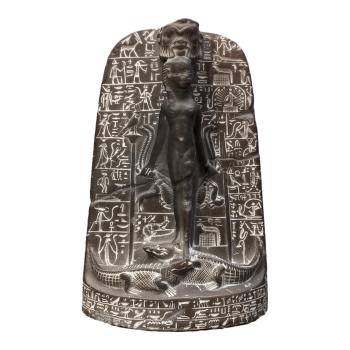
Ancient Egyptian cylinder of black soft stone in the British Museum
It is a small stone artwork, usually cylindrical or nearly cylindrical. Its surface is smooth and its color is black. This stony material is called soft stone because it is relatively easy to carve and process. These columns are often used as monuments, altars, or as carriers of spells. They played an important role in ancient Egyptian religion and religious rituals. They are often placed in temples, cemeteries or other important religious sites.
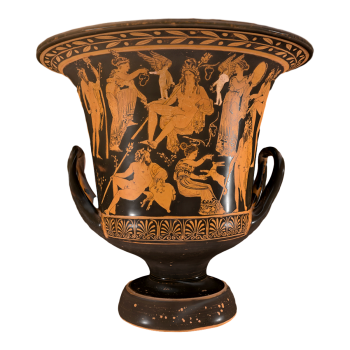
A large ancient Greek pottery basin painted with a Dionysus scene
It is a large terracotta basin commonly used for mixing wine and can be used for banquets and religious ceremonies. It is made of red terracotta with black and red painted decoration. The Dionysus painted on the basin is the god of wine and drama in ancient Greek mythology, and is considered a symbol of joy, indulgence and banquets. The scenes on the pottery basin usually depict banquets associated with Dionysus, the entourage of the god of wine (also known as Cerenos), and other related mythological scenes. This pottery basin is usually handmade by a potter. It is used as a drinking vessel in feasts and celebrations, and may also be used in religious ceremonies and sacrifices.

An Egyptian eagle-headed sphinx hidden in the British Museum
This is a falcon head sphinx also known as the eagle-headed lion. It is a statue of a lion with a human face on its upper body and a falcon on its head. In ancient Egyptian religious beliefs, this image may have represented different deities or symbolism. The Sphinx usually symbolizes power and authority, while the eagle's head may be associated with the sky, the universe, or other mysterious aspects. Found in the temple of Ramses II in Abu Simbel, Egypt (Nubia), this is one of the pair. It is now in the British Museum in London.
![[3D Scanning] Green Mother Sculpture](https://file.freecreat.com/user/43/43/2023/1129/172726PzqiTbmP.png?x-oss-process=image/resize,m_pad,w_350/quality,q_80)
[3D Scanning] Green Mother Sculpture
Green Tara (Bodhisattva Tara) is a religious figure, also known as the mother of saving speed and courage and the mother of saving eight difficulties. Green Tara is the incarnation of Avalokitesvara. Tara, the Vatican name Tara, is the full name of the holy salvation Buddha mother. In ancient China, it was called Doro Bodhisattva and Doro Guanyin. Tara has many different incarnations, including 21 Tara and 500 Tara. They are all incarnations of Guanyin Bodhisattva. Green Tara is the main statue of all Tara mothers and always photographed all the merits of the remaining 20 incarnations.

Popular Models
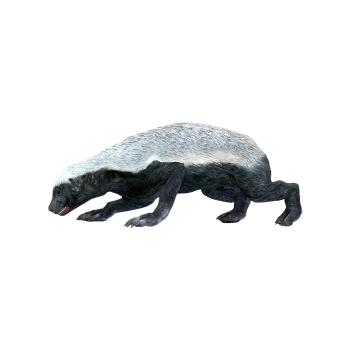
Honey Badger (3D animated model)
199 View
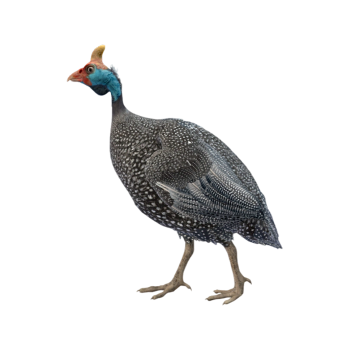
Guinea fowl (3D animated model)
168 View
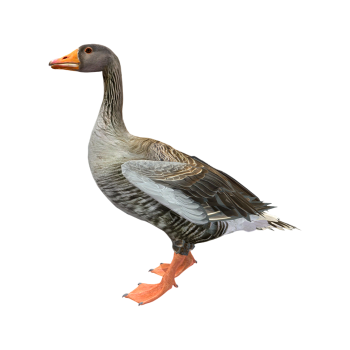
Wild Goose (3D animated model)
190 View
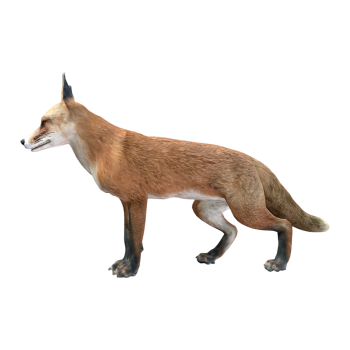
Red Fox (3D animated model)
158 View
Random Model

Terracotta Warriors-Archers
1757 View

RazerBlackshark Gaming Earphones
841 View

King Kong Lex Hum
1020 View

Samsung Galaxy S9 PLUS smartphone
929 View


Alves Magic Fountain
878 View